

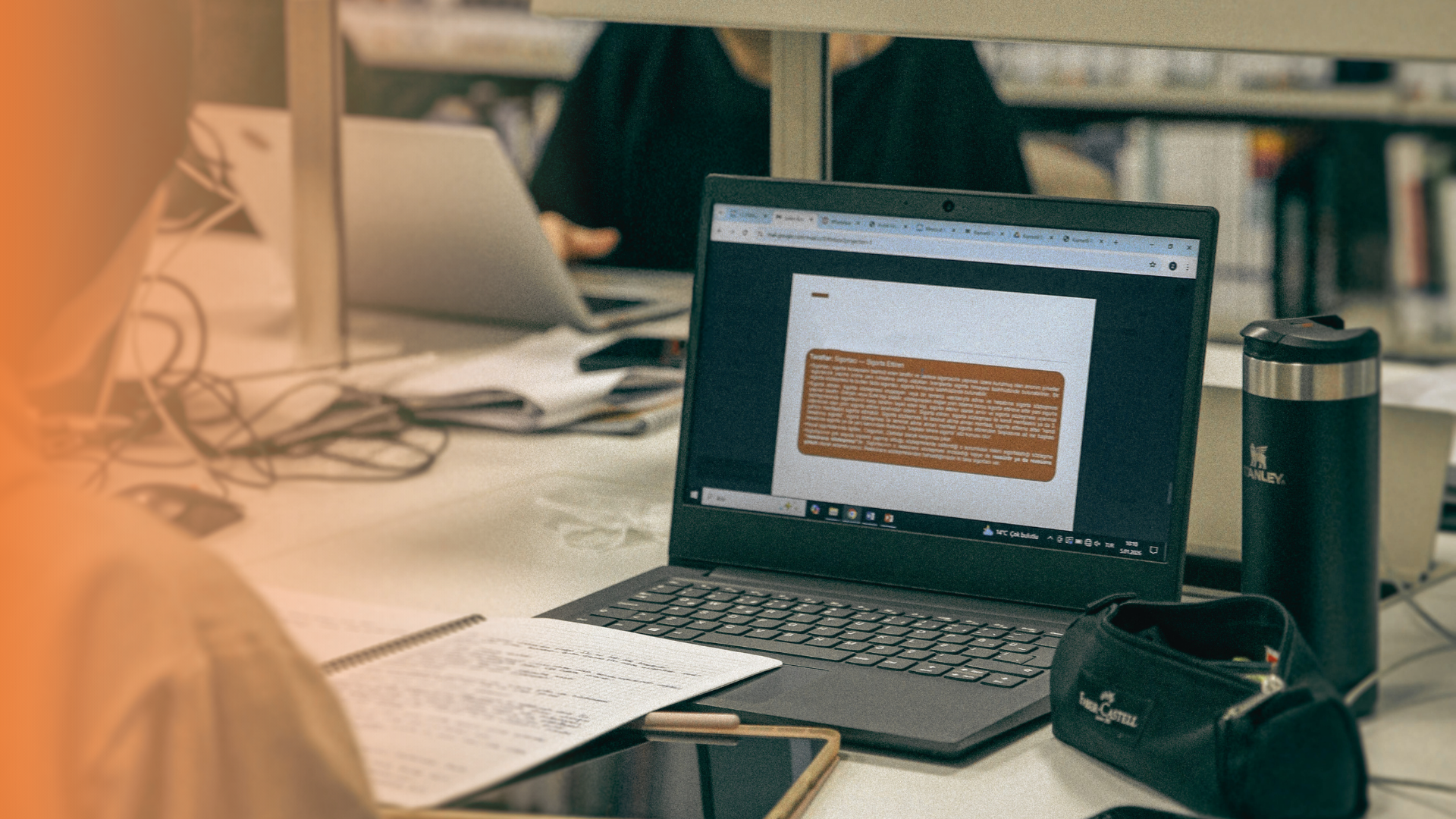
Modern education erp — Educational institutions around the world often have limited budgets, spending only after careful deliberation. Prioritizing the teaching process first, investing in systems to support their school or university takes a back seat. Effecting a digital transformation for the school, an education ERP reduces costs associated with paper documents.
Educational institutions around the world often have limited budgets, spending only after careful deliberation. Prioritizing the teaching process first, investing in systems to support their school or university takes a back seat. In fact, many groups make little or no investments in technology due to concerns about its cost. Unfortunately, many of them are missing an chance to help their students by using technology to reduce costs overall, costs that can be reallocated to the learning process for their students. A modern education ERP provides technology that gains the school and its students holistically, improving not only staff and teacher output but also enhancing communication between parents, students, school, and administrators.
A modern education ERP is a school management system that offers a complete suite of applications to support the educational institution. It includes features for student data management, finance and accounting, admissions and registration, academics, and student-teacher-parent communications. In addition, a modern education ERP offers advanced reporting and analytics tools.
This blog shares how a modern education ERP can help educational groups save money by using the advantages of the technology.
Moving forms, records and notices into one system cuts what a school spends on paper and on the printing and storage around it.
Effecting a digital transformation for the school, an education ERP reduces costs associated with paper documents. This cut in costs includes the cut in the buy of paper itself as well as the associated cut in time needed to work in a paper-driven system.
Teams in educational groups may use paper for their administrative and academic operations. Although many groups digitized, a lot of data is still handled by hand using pencil and paper. Student data is key so the records and files can take up entire rooms.
An education ERP stores all this data and reduces the cost of procuring paper. More greatly, school staff can execute student record searches in seconds instead of hours, improving their output and allowing them to focus more attention on their students, parents, and other stakeholders.
In addition, schools can use an education ERP to automate many of their manual processes. For example, they can set up automatic payment reminders for parents or students who have outstanding balances.
Fee collection runs from the system itself, so staff spend less time on manual entry and fewer errors need fixing later.
An education ERP reduces costs associated with collecting student fees by reducing manual data entry errors and staff time needed for maintaining a paper-driven system. Also, the education ERP can be integrated with the school’s banking system so that payments process automatically.
Collecting fees is a key process. It includes tracking fees paid, setting up and sending timely reminders for balances due, and sending fee receipts. When performed by hand, these tasks are tedious, time-consuming, and cumbersome. Also, using manual data entry for posting of sensitive data, such as student payments, is prone to errors that can lead to parent and student dissatisfaction.
The time needed to post fee payments and recognize them properly in the accounting system is another challenge. As the school grows and opens extra satellite locations, the problem worsens.
Automating fee collection, reminder notifications, receipts, bank deposits. Ledger postings, the education ERP reduces costs and frees up time for the school’s administrators, faculty. Staff to focus on the core mission of the school, educating its students.
One master vendor list lets a school track every supplier and their results in the same place.
An education ERP helps automate tasks across different teams, including vendor management activities. Schools can use the system to create a master vendor list and track vendor results. This lets schools to fast find and address any issues with their vendors. The system also provides workflows that route timely purchasing reminders to the correct party so that the school can take advantage of buy discounts, thus freeing up more funds for the school to use in its core educational mission.
The education ERP improves the management of faculty schedules and class assignments. With the system, schools can create master class schedules and track faculty availability. This helps ensure that classes are properly staffed and that faculty members are teaching their assigned number of classes.
Grading and reporting move into the system, which cuts the time and the printing that exams normally take.
An education ERP reduces grading and reporting time associated with examinations and improves the communication of grades and reports to parents and students.
Schools spend considerable time and resources conducting examinations and reports. Based on them, an education ERP can create a more secure testing environment along with better communication of grades to students and parents. Instead of paper reports, grades are communicated electronically in near real-time.
Manual errors in grading diminish as well, reducing the time spent on misunderstandings and letting teachers to assign more time to teaching and less time to resolving potential conflicts.
In addition, administrators can fast and easily run reports on student results or other areas of interest. This allows for more informed decision-making about how to best improve the educational process.
Tax and government filings are built from the same records the school already keeps, so the numbers match.
The modern education ERP includes compliance for statutory reporting. This consists of tax nexus and other filings needed by government agencies. By automating these processes, the education ERP helps schools avoid penalties and save on compliance costs.
The education ERP also provides a central repository for all the school’s data. This can be used to make reports on demand, making sure only the most up-to-date data is available. All this data can be accessed from a single platform, making it easy to find the needed data in near real-time.
Built-in reports show fees, costs and enrolment as they change, instead of weeks after the fact.
Education ERPs come with in-built business intelligence/reporting tools. In addition to out-of-the-box reports designed for the institution, including the statutory reports discussed earlier, these tools allow users to tailor existing reports and create new ones. With a modern educational ERP, users need no programming know-how to tailor or create new reports. Everything is easily accomplished with the education ERP’s user interface. The reports let school administrators, executives, and owners to access a real-time view of their entire school including communications, teaching, and financial aspects. A parent portal provides up-to-the-minute communication with parents and students about enrollments, waitlists, exams, and fees. A teacher portal includes class schedules, teacher and student assignments, and disciplinary records. Financial reports cover budget and fund accounting, purchasing and disbursements, revenue recognition, fixed assets, and treasury, taxation, and banking.
By providing business intelligence to school executives, the education ERP provides a means to easily find the financial condition of the school and to optimize it for the learning processes. Decision-makers can fast adjust to changes in student payments, enrollments, overbooked and underbooked teacher schedules, and other unforeseen events.
Other features of the modern educational ERP include better vendor management, timing procurement requests for best pricing, and streamlining financial processes.
Money saved by implementing an education ERP can be re-invested into the school, allowing it to invest savings in its core mission of providing best-in-class education to its students.
Softype is a global provider of cloud business automation solutions and an experienced enterprise consulting provider to medium and large enterprises. With offices in the US, Philippines, India, and Kenya and remote delivery and support features, our friendly experts provide Softype clients with the help they need, no matter their geography.
Softype, a global Oracle NetSuite Solution Partner, successfully completed more than 600+ NetSuite Enterprise Resource Planning (ERP) implementations in the past 20 years. NetSuite, the original cloud ERP system, is the solution of choice for groups requiring the ability to pivot with the fast fluctuating economic conditions of recent years. In addition to NetSuite, the Softype team also specializes in workflow automation technologies and integrations for the Wholesale Distribution, Retail, Food and Beverage, Education, and Manufacturing industries.
Softype combines practical solutions with expert service, thus maximizing our clients’ investments in their business automation solutions. We have friendly experts who can help guide your team through its digital transformation. From mutual discovery to grasp your needs and implementing the solution, we will support you every step of the way.
For further data, please contact us here. You can also reach out to us at info@softype.com or call us at +1 650 488 4412 (Global), +63 967 429 9575 (Philippines), +91 22 4616 3839 (India), +254 720 940 174 (Africa), and +61 452 183 613 (Australia).
Effecting a digital transformation for the school, an education ERP reduces costs associated with paper documents.
An education ERP reduces costs associated with collecting student fees by reducing manual data entry errors and staff time needed for maintaining a paper-driven system.
An education ERP helps automate tasks across different teams, including vendor management activities.
An education ERP reduces grading and reporting time associated with examinations and improves the communication of grades and reports to parents and students.
The modern education ERP includes compliance for statutory reporting.
Education ERPs come with in-built business intelligence/reporting tools.
For the vendor-published detail behind the features described above, Oracle keeps official documentation:
An education ERP is one system that runs a school’s day-to-day work, from admissions and scheduling to fees, vendors, exams and statutory reporting. It replaces the separate tools and paper records that most schools start with.
It cuts cost in six places covered in this post: paper and printing, fee collection, vendor management, examinations, statutory reporting, and the time staff spend pulling reports together by hand.
Yes. It reduces the manual data entry and staff time that a paper-driven fee system needs, and it can be integrated with payment options so collection runs from the same records.
Yes. A modern education ERP includes compliance for statutory reporting, which covers tax nexus and other filings required by government agencies.
Education ERPs come with built-in business intelligence and reporting tools, including out-of-the-box reports for the institution and the statutory reports it has to file.
Softype is an Oracle NetSuite solution provider with more than 25 years of experience and over 600 implementations. Our team sets up NetSuite around how your business already works, then stays on to tune it as you grow. If you want to see what this would look like for your own numbers, book a meeting with us.


Helping businesses thrive with integrated ERP solutions.
NetSuite
Service
Company
Contact Us
Copyright © 2026


